Author: Tome
-
Sumidemae (炭手前)
Sumidemae is the tea ceremony procedure for arranging and tending the charcoal fire in the ro or furo. There are two main forms: shozumi (the initial charcoal arrangement) gozumi (the later replenishment of the fire) Although both share the same purpose, their procedures, timing within a chaji, and the utensils used differ between the ro…
-
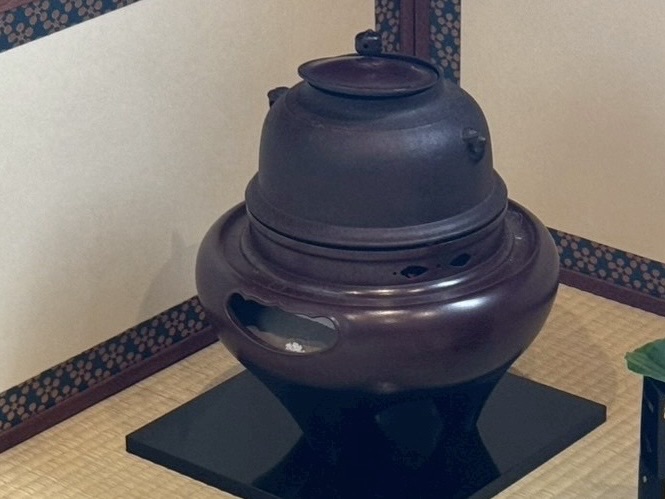
Furo (風炉)
Furo is a portable charcoal brazier used to heat the kettle for preparing matcha in the Japanese tea ceremony. It is generally used from May to October, replacing the ro as the weather becomes warmer. By moving the fire farther from the guests and placing it on the tatami, the furo creates a sense of…
-
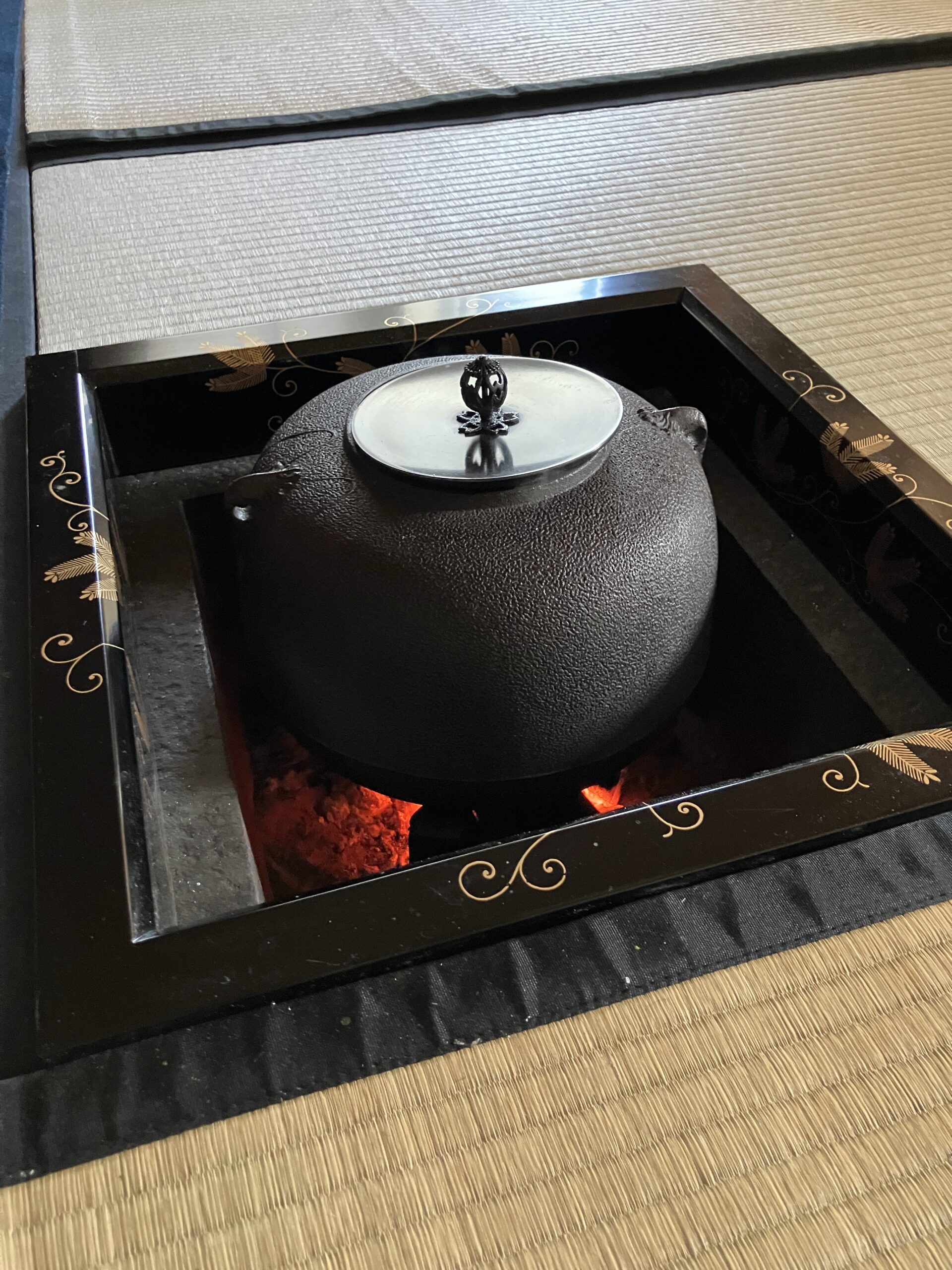
Ro (炉)
Ro is the sunken hearth built into the floor of a traditional Japanese tea room and is generally used from November to April. As the weather becomes colder, the kettle is brought closer to the guests, allowing them to feel the warmth of the fire and creating a cozy, intimate atmosphere. A standard ro measures…
-
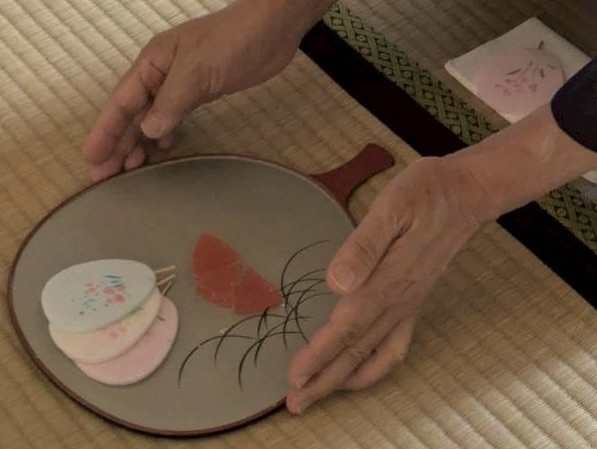
Higashi (干菓子)
Higashi are traditional dry Japanese sweets typically served before usucha at tea gatherings. Made with ingredients such as sugar, rice flour, and wasanbon, they have a longer shelf life than fresh sweets and are often molded, pressed, or baked into delicate seasonal shapes. It is common for two different kinds of higashi to be served…
-
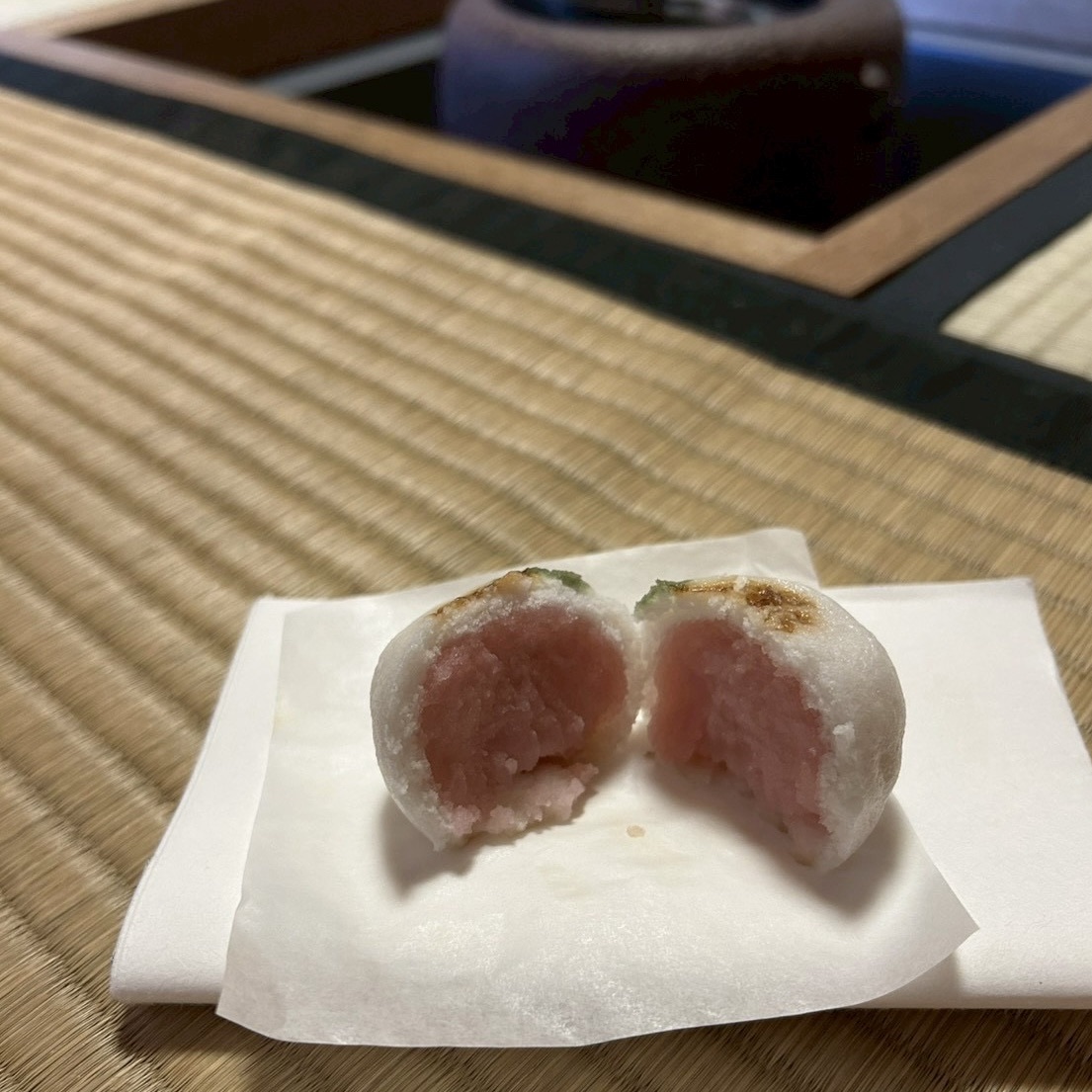
Omogashi (主菓子)
Omogashi is a traditional fresh Japanese sweet served before koicha during a formal chaji and before usucha at many chakai. It is also commonly served at teicha, where visitors can enjoy matcha and seasonal sweets at temples, gardens, museums, cultural events, and other public venues. Made from a variety of ingredients, including sweet bean paste,…
-
Senke Jisshoku (千家十職)
Senke Jisshoku refers to the ten hereditary artisan families that have traditionally produced tea utensils for the Sen family tea traditions. Each family preserves a specialized craft, passing down both its techniques and a hereditary professional name through the generations. Together, they continue to support the practice and aesthetics of Japanese tea culture. Family Current…
-
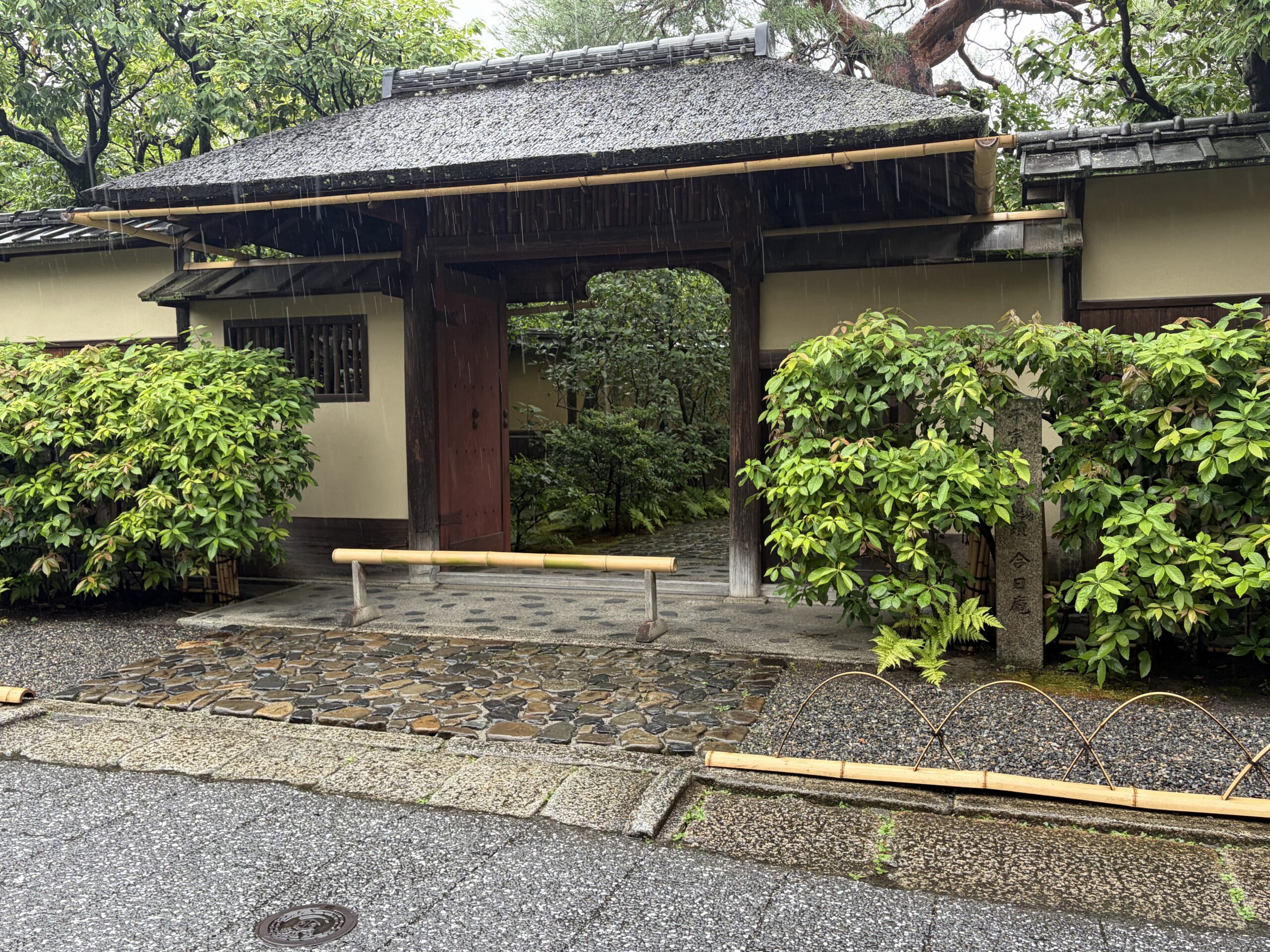
Urasenke (裏千家)
Urasenke is one of the three main tea traditions descended from Sen no Rikyū. Today, it is led by Iemoto SEN Soshitsu XVI (Zabosai) and has an international network with 113 associations and offices across 38 countries and regions, promoting the practice of tea in Japan and around the world. Lineage of the Sen Family…
-
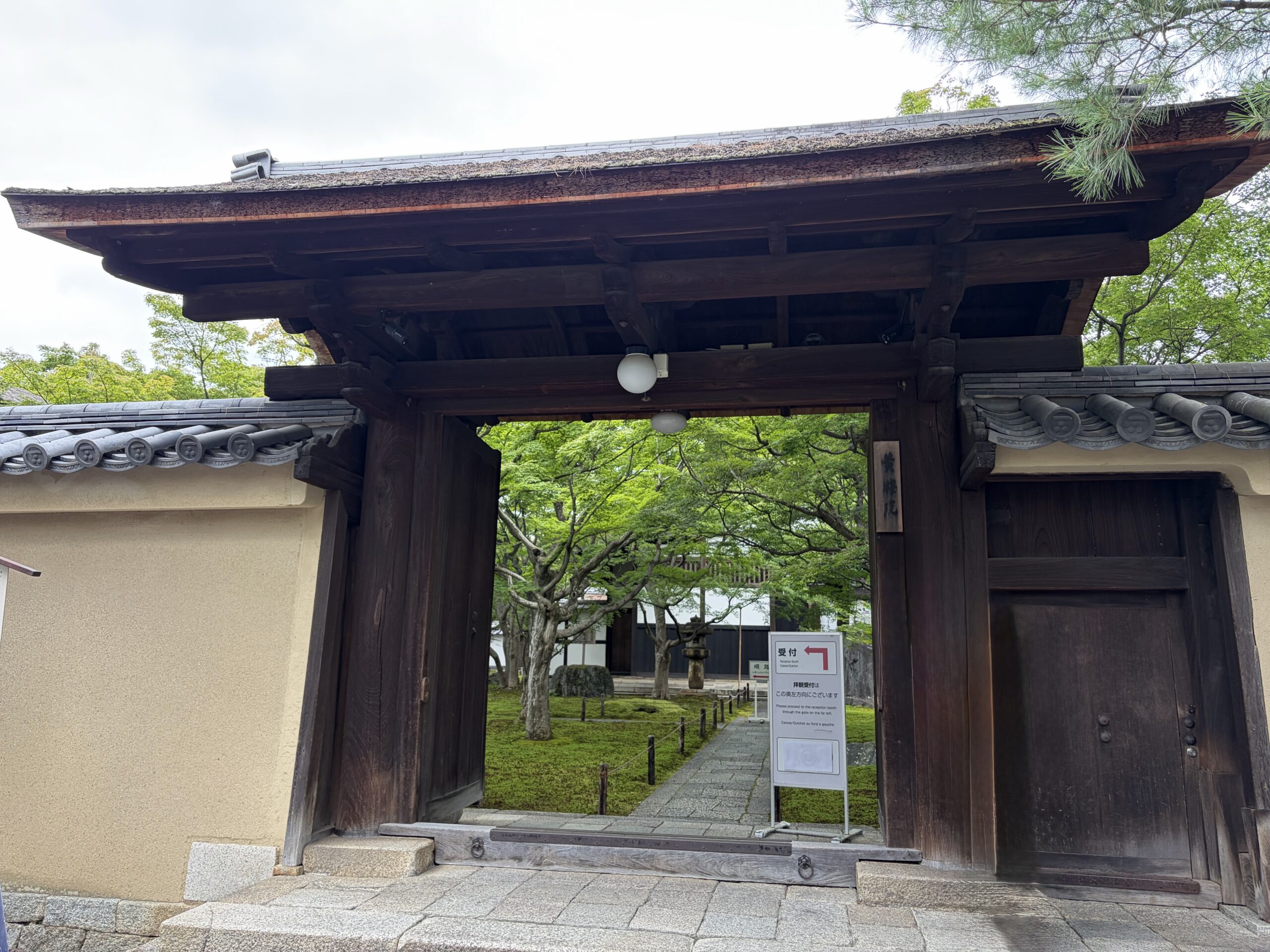
Chion Hōon — Knowing the Kindness, Returning the Kindness
Once you begin practicing Chado, the Japanese way of tea, your interest in Kyoto naturally grows. The headquarters of the Urasenke tradition are there. The families known as the Senke Jisshoku have crafted tea utensils for generations in support of the tea tradition. Uji, famous for producing matcha, and many long-established wagashi, traditional Japanese sweets,…