Author: Tome
-
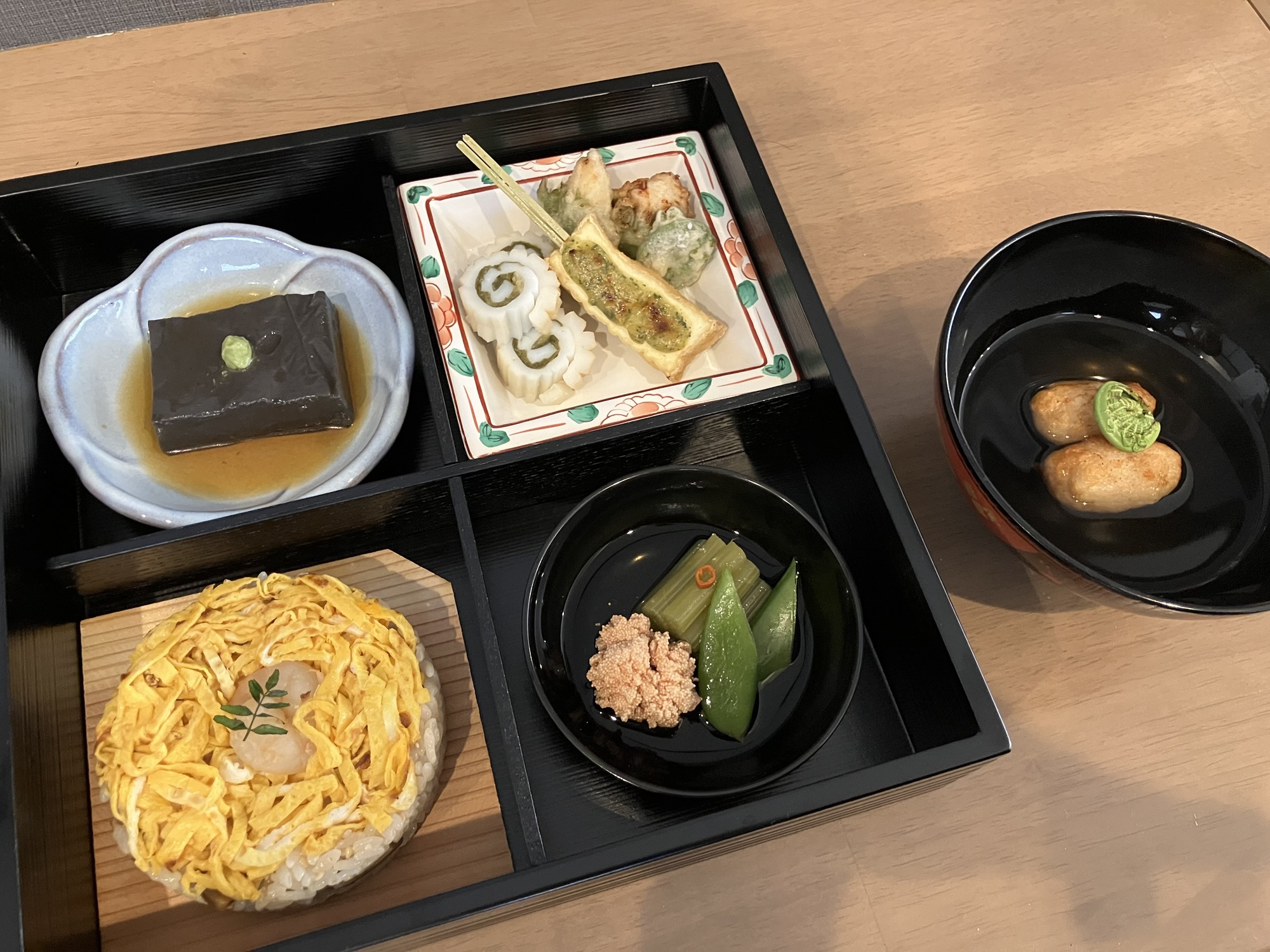
Tenshin (点心)
Tenshin is a light meal or snack served during some Japanese tea gatherings, typically consisting of a boxed lunch or other simple seasonal dishes. Unlike the full meal of a formal cha-kaiseki, it provides light refreshment while allowing the focus to remain on the tea and hospitality.
-
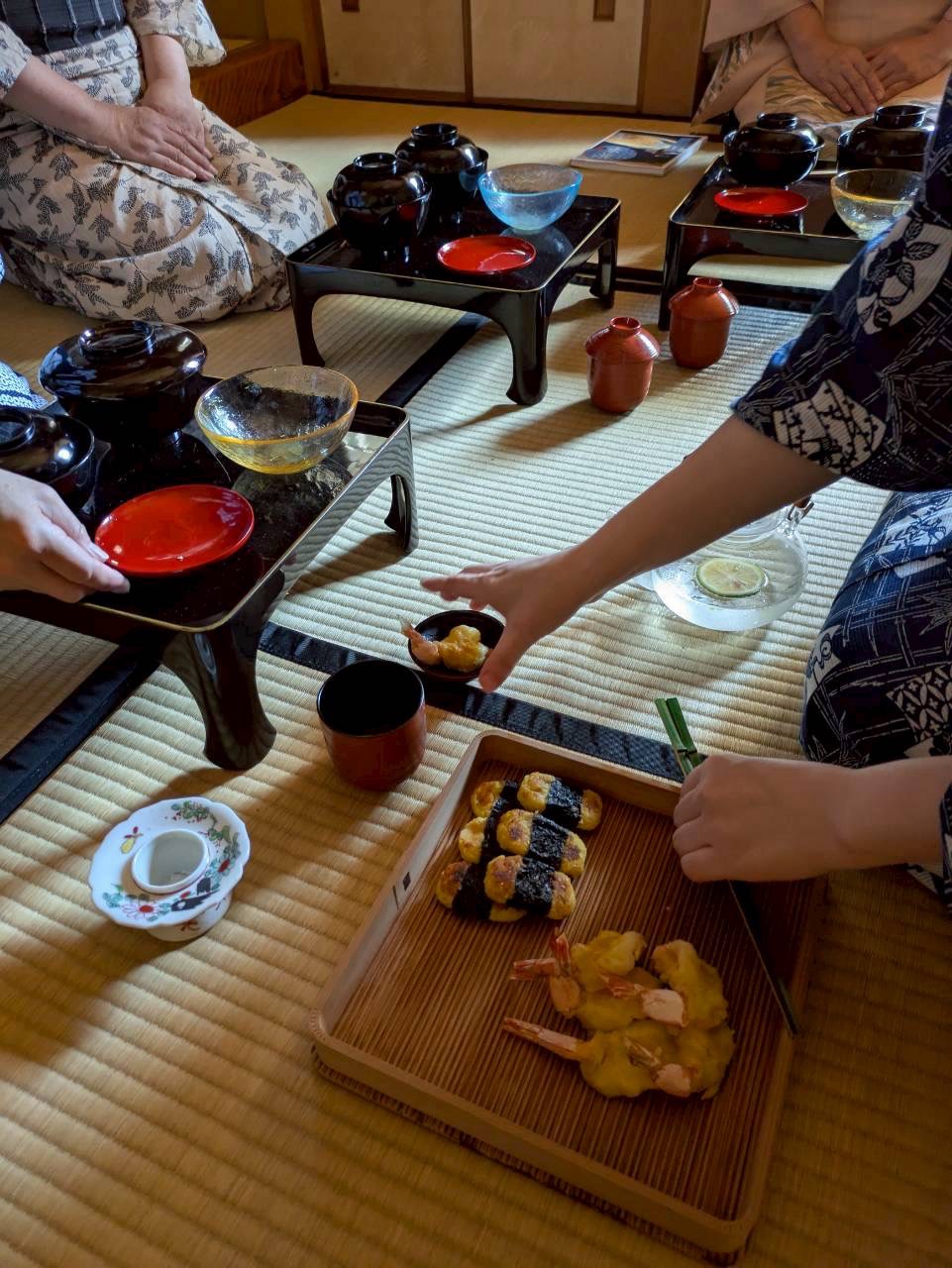
Kaiseki / Cha-kaiseki (懐石 / 茶懐石)
The word kaiseki originally comes from the Zen practice of placing a warm stone (kai, “bosom”; seki, “stone”) inside the front of one’s robe to ease hunger during periods of fasting. In the tea ceremony, this idea came to represent a simple, seasonal meal served before tea. Today, kaiseki can also refer to an elaborate…
-
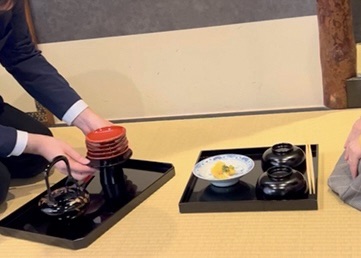
Chaji (茶事)
A chaji is the most formal style of Japanese tea gathering, typically lasting around four hours and attended by three to five guests. It usually includes a seasonal kaiseki meal, sweets, and both thick tea (koicha) and thin tea (usucha), with charcoal preparation (sumidemae) performed as part of the gathering. Because both the host and…
-
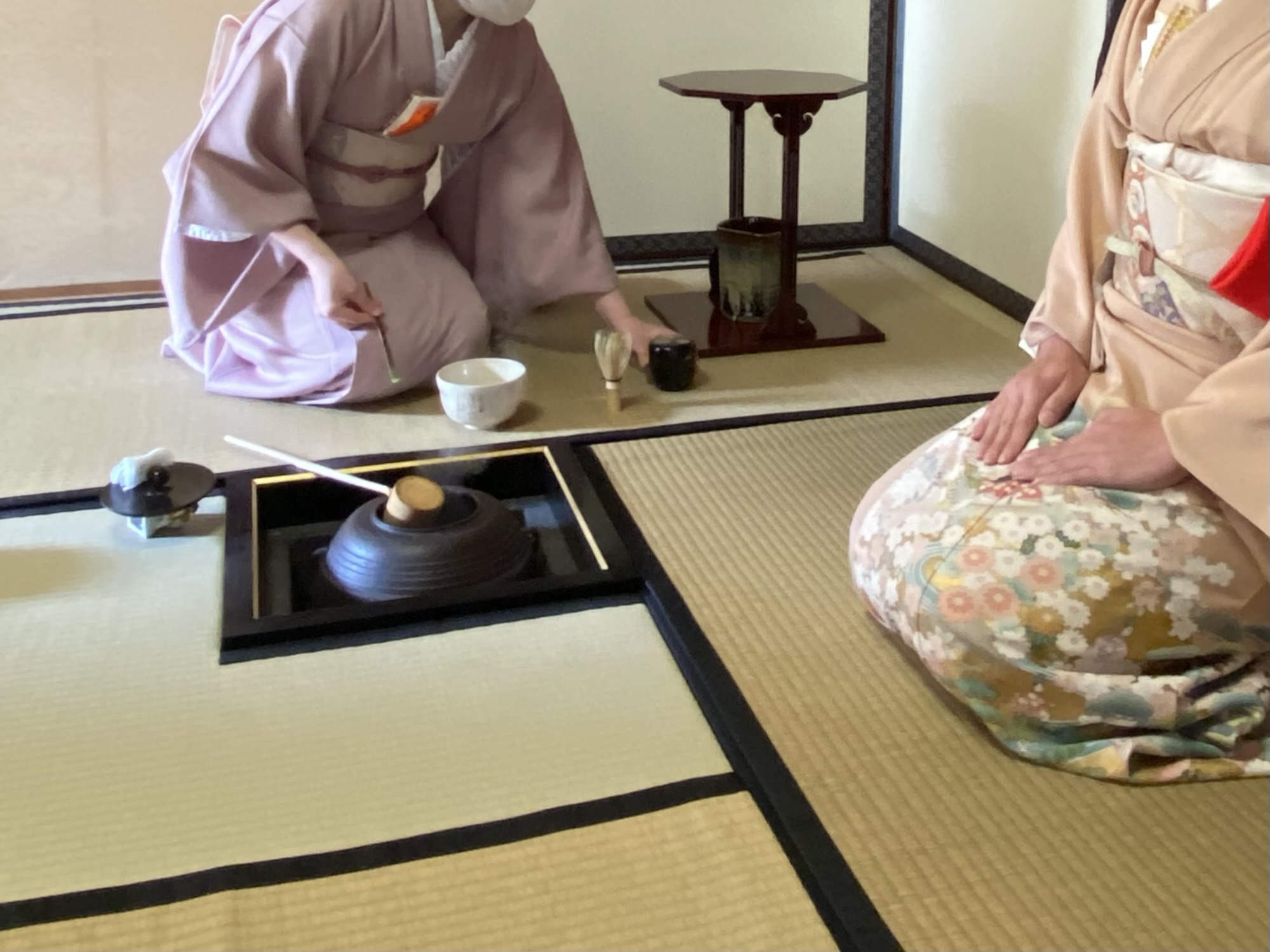
Chakai (茶会)
A chakai is a Japanese tea gathering where guests enjoy tea and seasonal hospitality in one or more tea rooms. It may include separate sessions for usucha (thin tea), koicha (thick tea), and a light meal called tenshin (boxed refreshments), or it may consist of several usucha tea rooms. Chakai range from informal gatherings to…
-
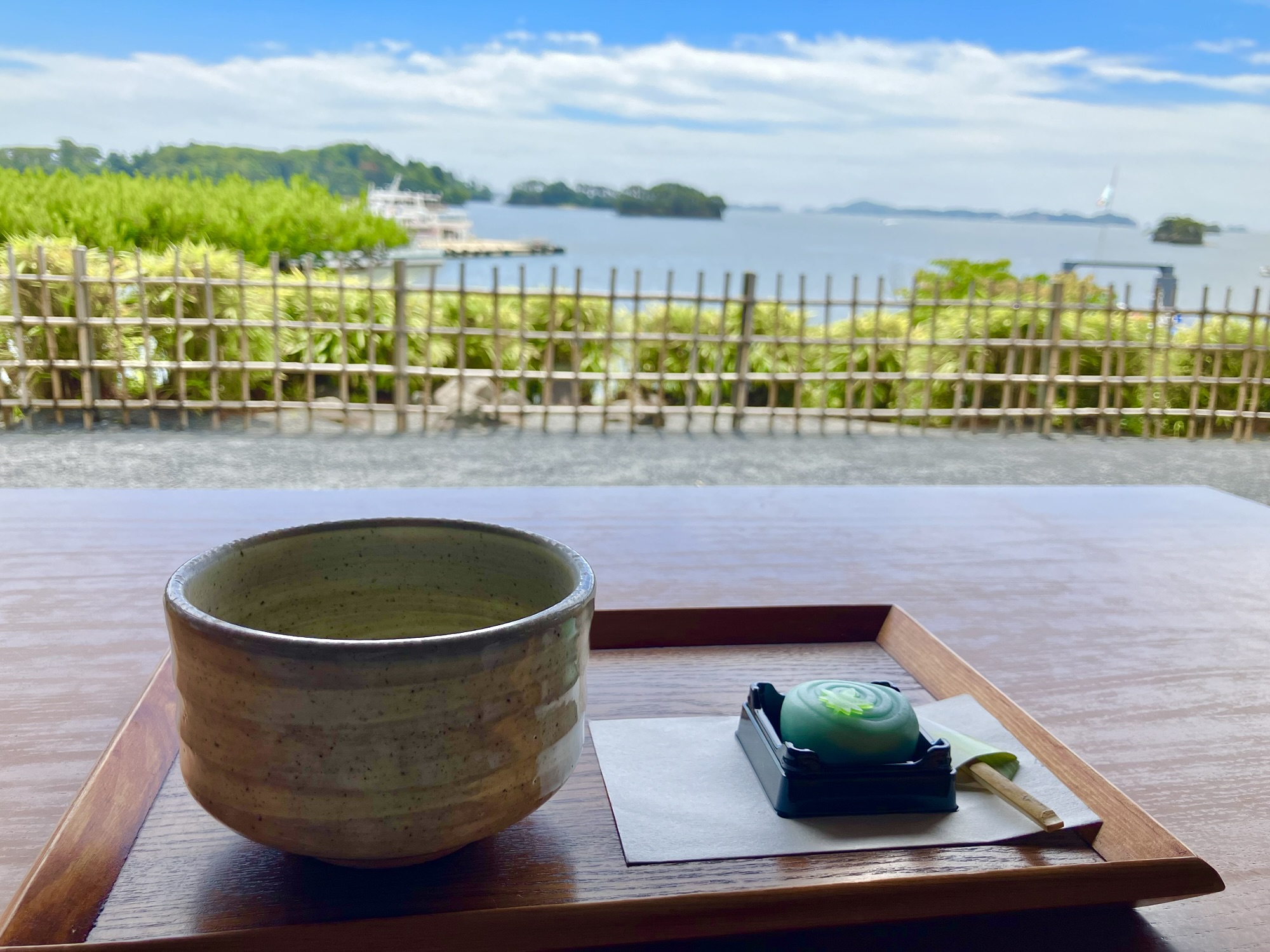
Teicha (呈茶)
Teicha refers to the serving of tea to guests, often at temples, gardens, museums, cultural events, or special occasions. Unlike a formal tea gathering, it focuses on offering a welcoming tea experience, usually with a sweet, allowing visitors to enjoy a taste of Japanese tea culture in a casual setting.
-
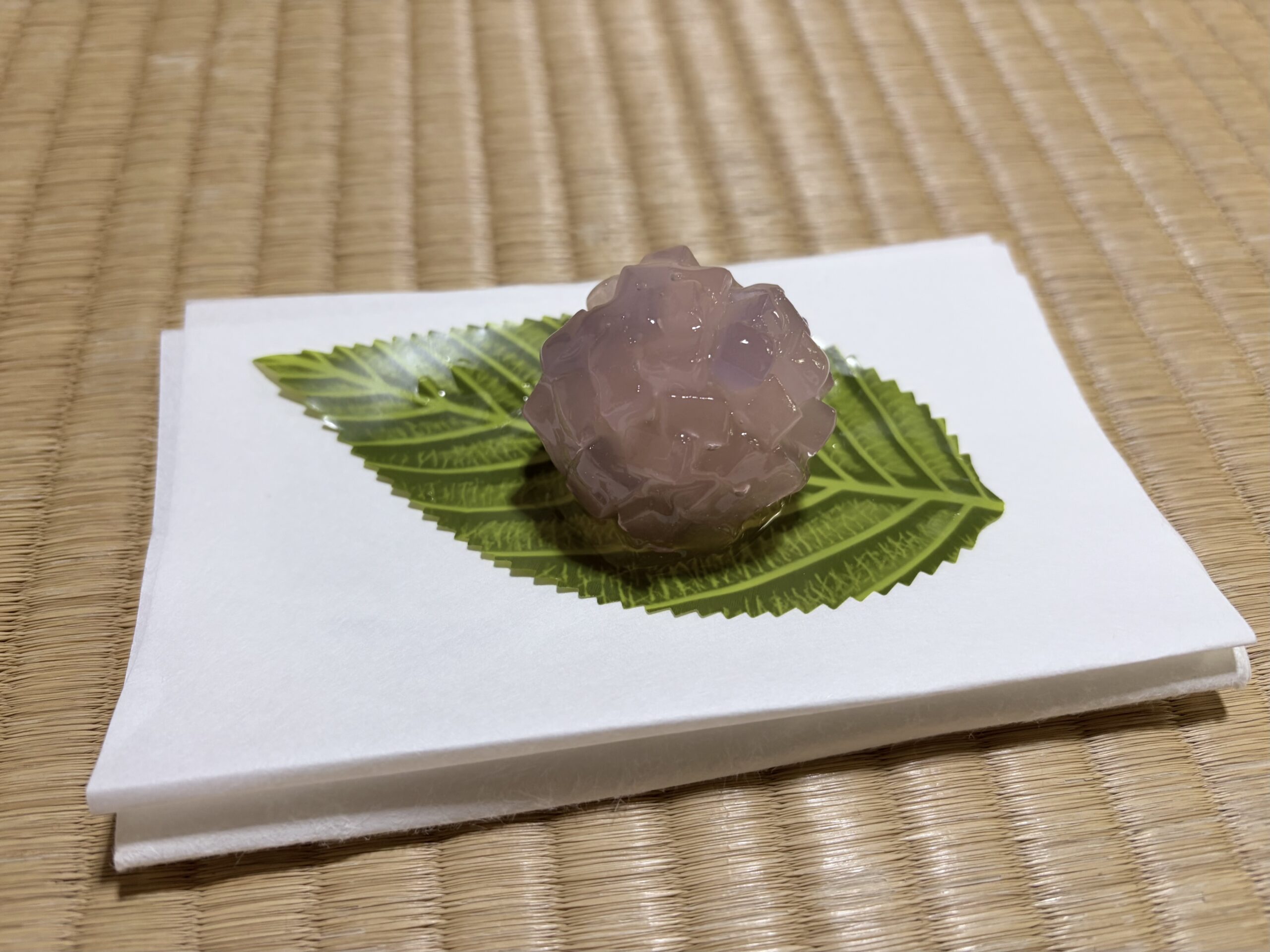
Kissako — Have a Cup of Tea
Before the rainy season had begun, I had the opportunity to help at a Teicha hosted by the local tea association to which my teacher belongs. From early in the morning, four of us took turns serving as host or assistant host, welcoming each guest with a bowl of tea. The seasonal sweet prepared by…
-
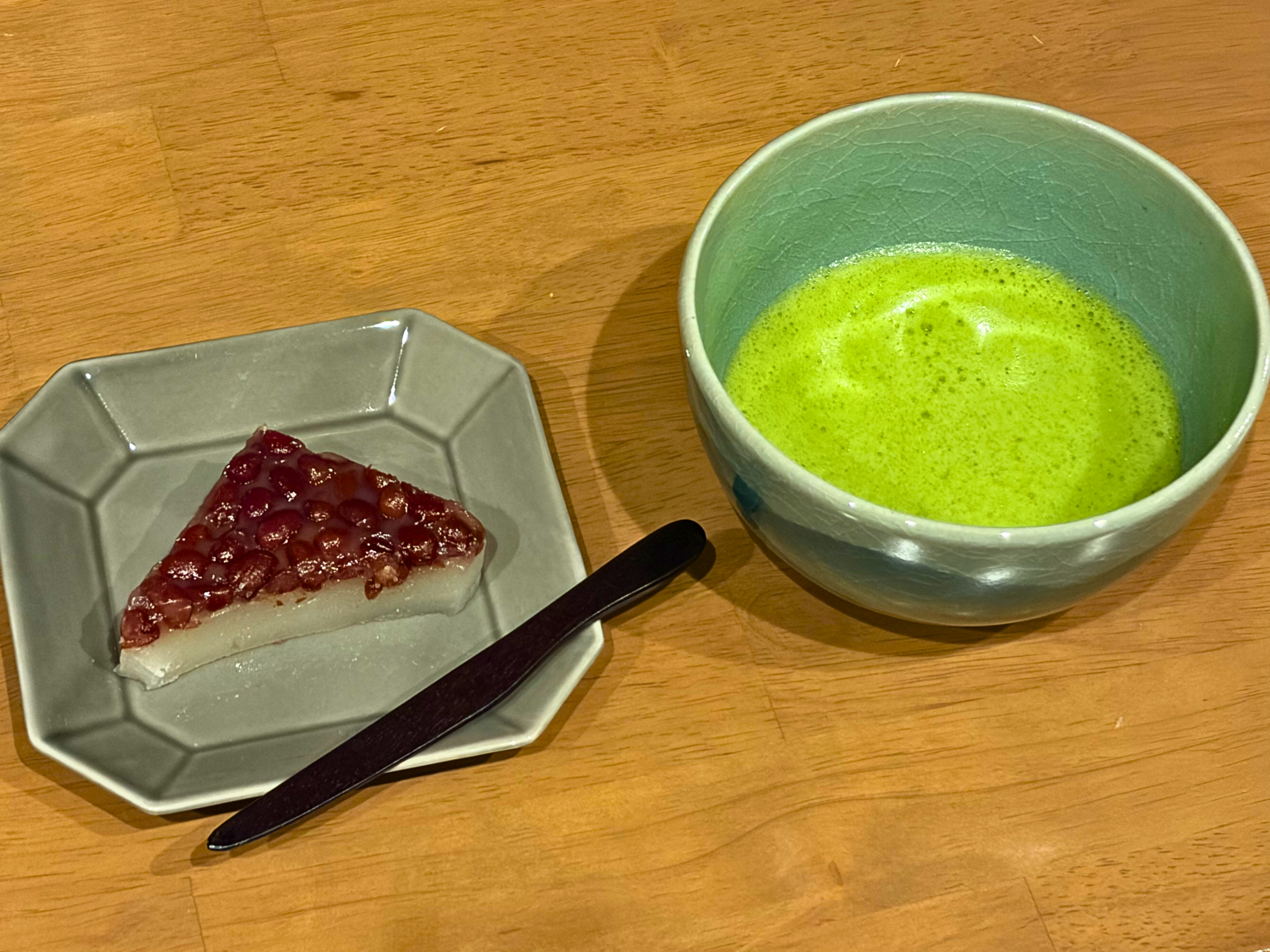
Ippuku — A Moment for Tea
Few Japanese people would say they look forward to tsuyu, Japan’s rainy season. Unlike the gentle rain that nourishes nature throughout the year, the air during this rainy season feels heavy. As the humidity rises, my body seems to grow heavier too, and every year I find myself struggling with the change in weather. Last…
-
Tsuyu (梅雨)
Japan’s rainy season, typically lasting from early June to mid-July. It is known for frequent rain, high humidity, lush greenery, and blooming hydrangeas.