Category: Glossary
-
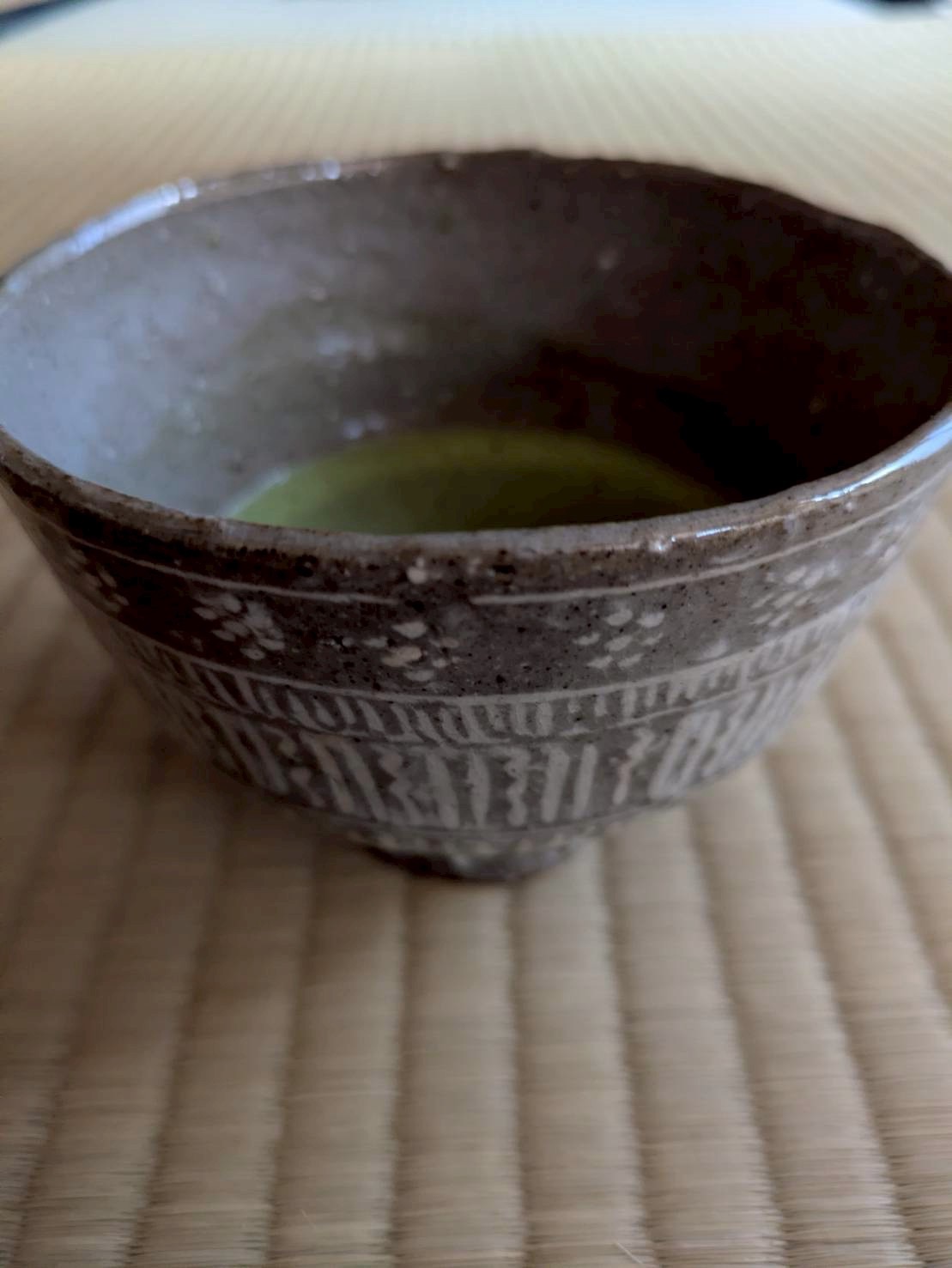
Chawan (茶碗)
Chawan is the bowl used to prepare and drink matcha in the Japanese tea ceremony. More than a simple vessel, it is carefully chosen to suit the season, the style of the gathering, and the other utensils selected by the host. Tea bowls vary widely in shape, size, clay, glaze, and place of origin, with…
-
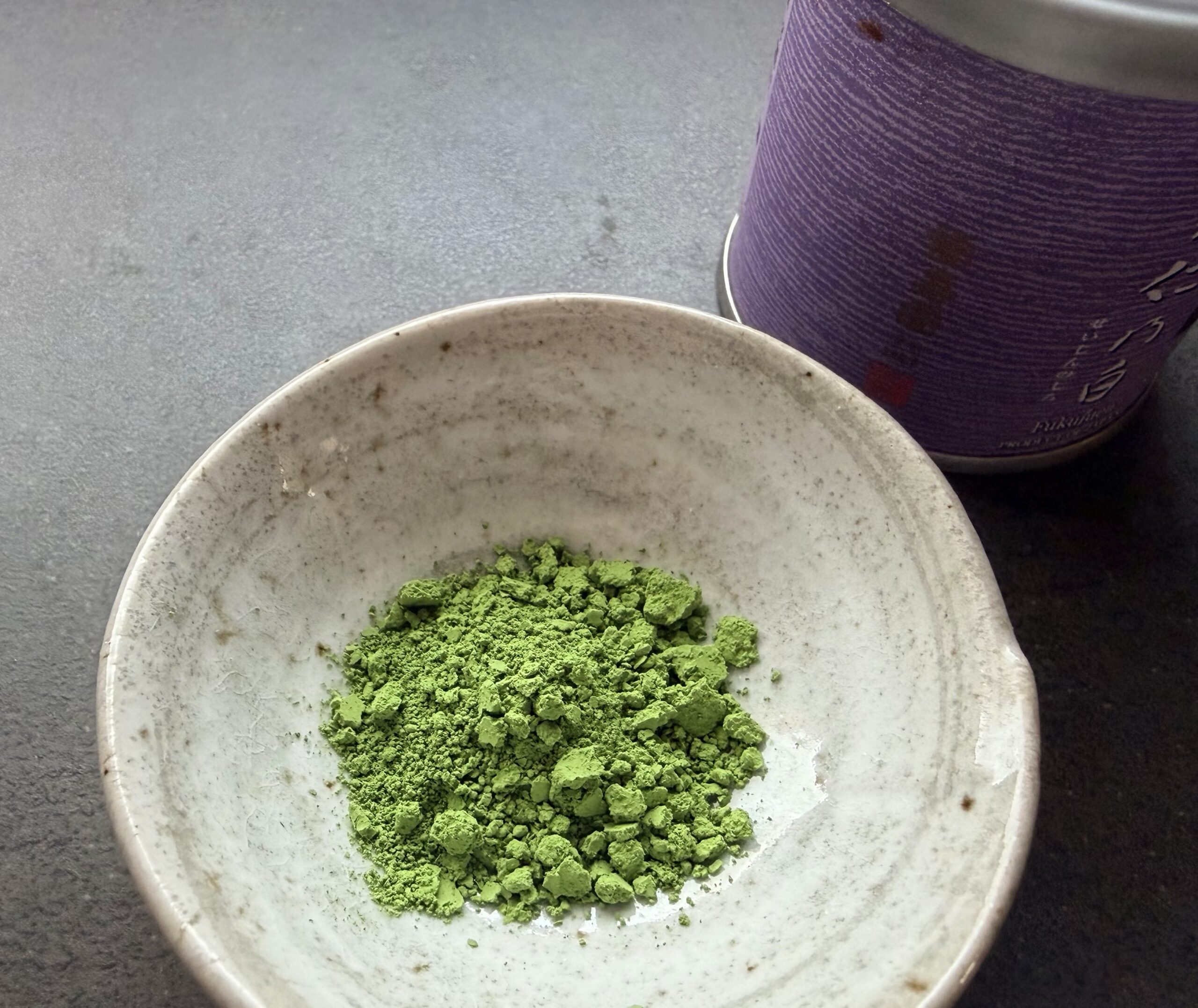
Matcha (抹茶)
Matcha is a finely ground powder made from shade-grown green tea leaves. Unlike most teas, it is whisked with hot water and consumed whole rather than being steeped and discarded. It is best known as the tea used in the Japanese tea ceremony, while culinary-grade matcha is widely used in drinks, sweets, and desserts. The…
-
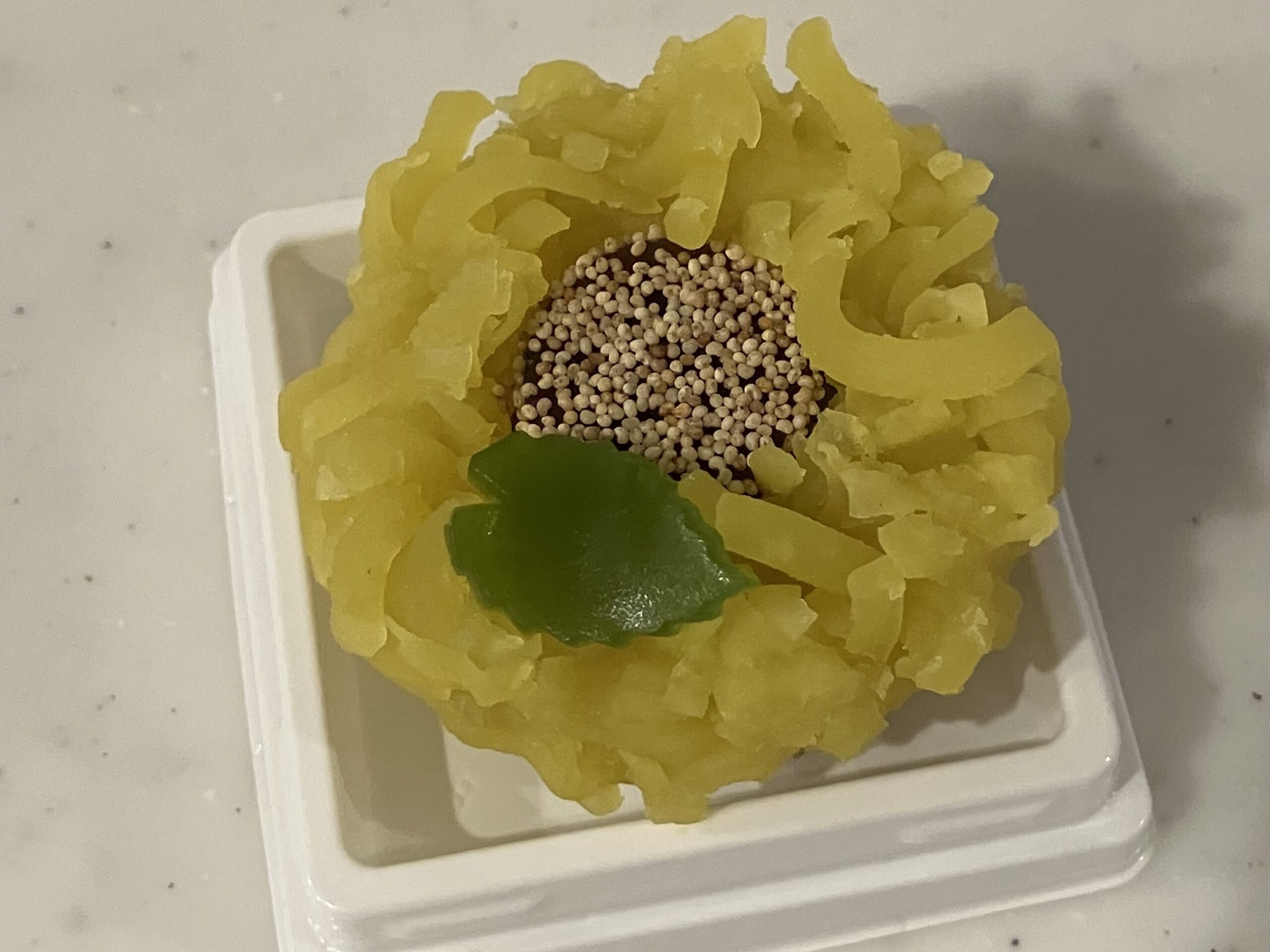
Wagashi (和菓子)
Wagashi are traditional Japanese confections made from ingredients such as bean paste, rice flour, sugar, and agar. Some, such as dorayaki, daifuku, dango, and taiyaki, are everyday sweets enjoyed casually, while others, including omogashi (fresh sweets) and higashi (dry sweets), are specially crafted for the Japanese tea ceremony. Wagashi for tea gatherings are sometimes sweeter…
-
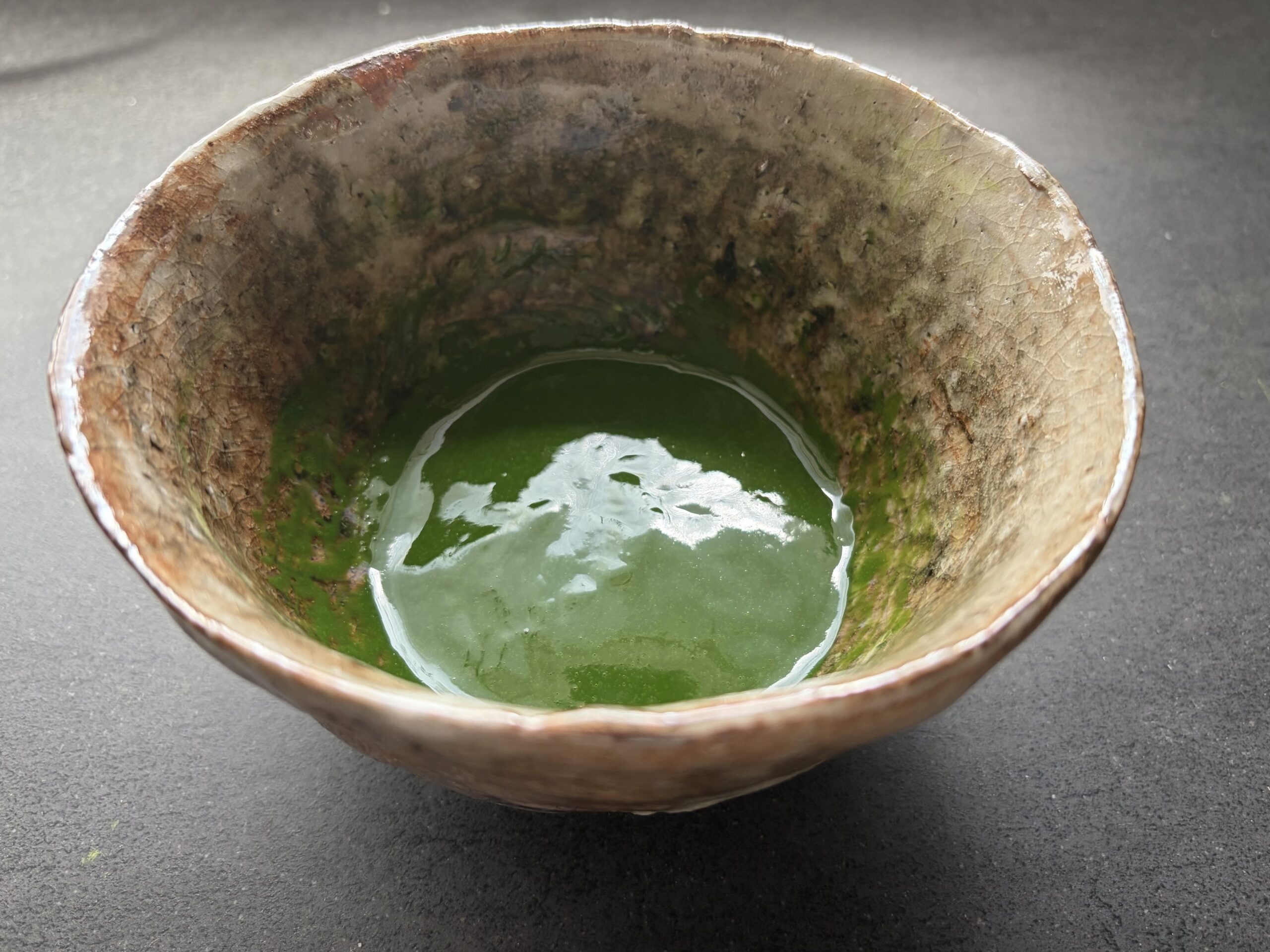
Koicha (濃茶)
Koicha is a thick style of matcha made with more tea powder and less hot water, resulting in a rich, smooth consistency. It is the central part of a formal chaji and is prepared using high-quality matcha with a naturally mellow flavor. Traditionally, all guests shared a single bowl of koicha, each taking a sip…
-
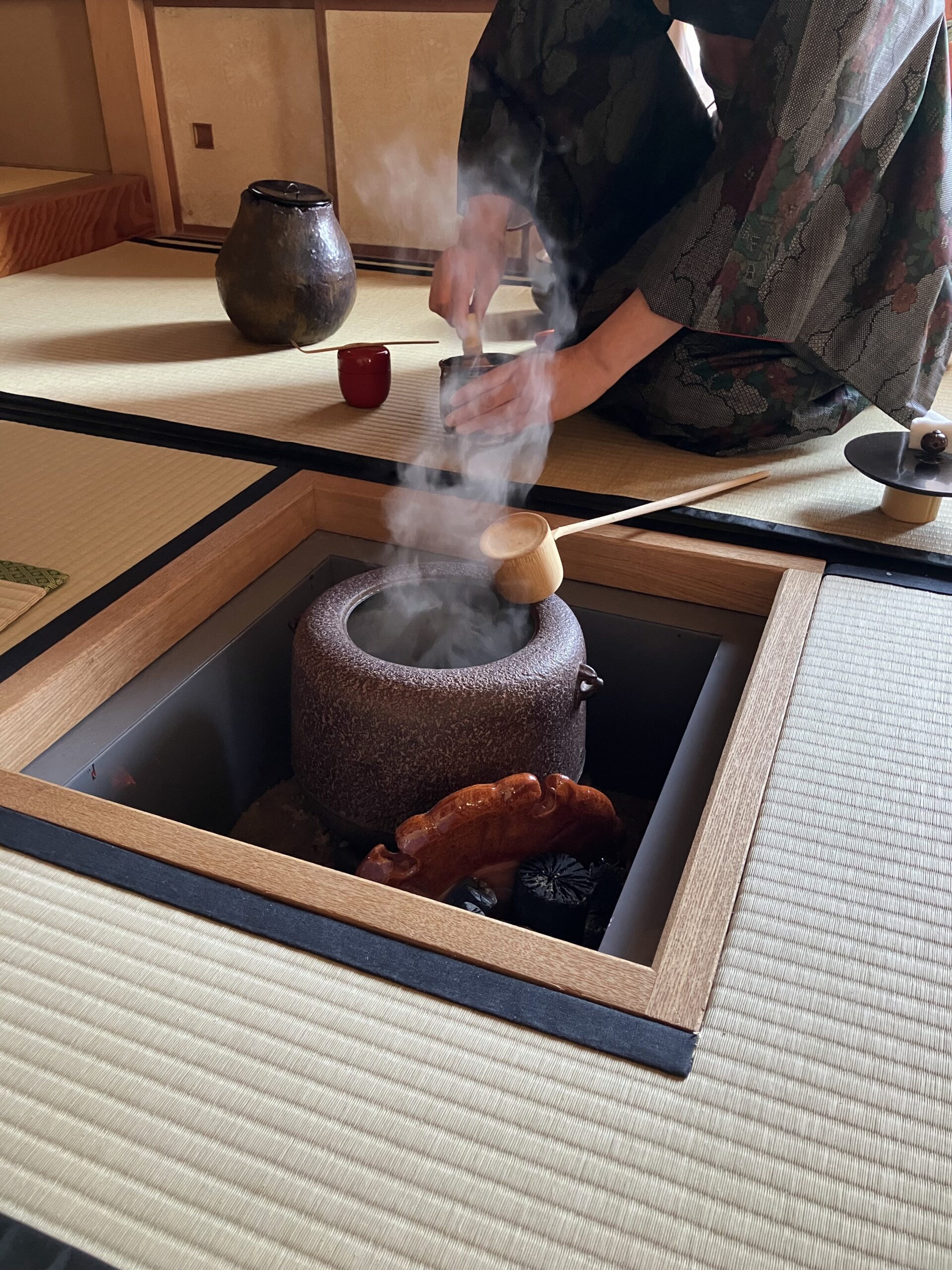
Chadō (茶道)
Chadō, also known as Sadō, or Chanoyu, and often referred to in English as the Japanese tea ceremony, is the traditional Japanese practice of preparing and serving matcha. It develops from the powdered tea culture introduced from China in the late 12th century and is shaped by Zen Buddhism, becoming a cultural art that values…
-
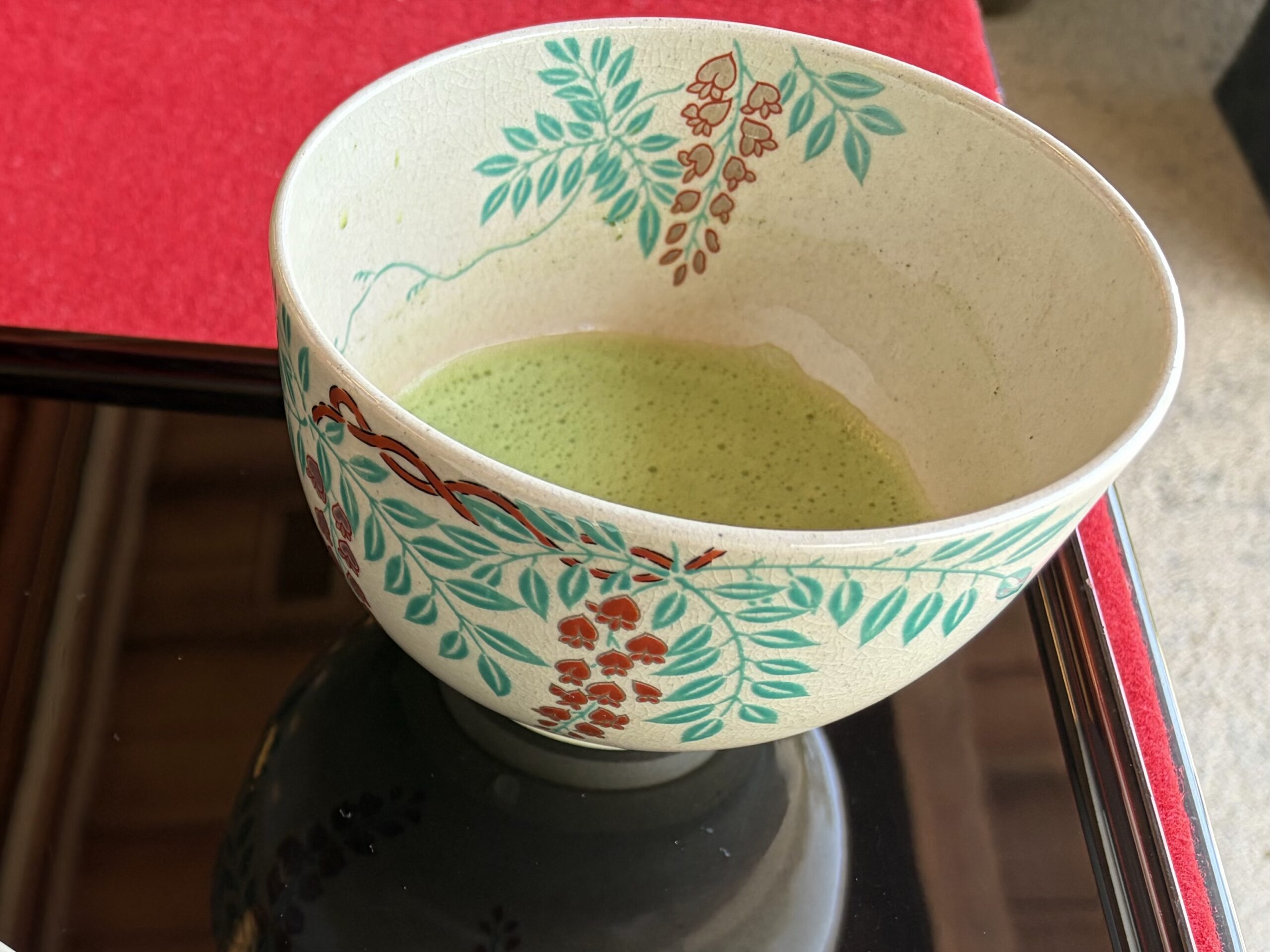
Usucha (薄茶)
Usucha is a lighter style of matcha prepared by whisking a smaller amount of tea with more hot water, creating a smooth, frothy texture. It is commonly served at tea gatherings and is usually enjoyed individually with traditional Japanese sweets. Compared with koicha, it has a lighter taste and a more casual atmosphere.
-
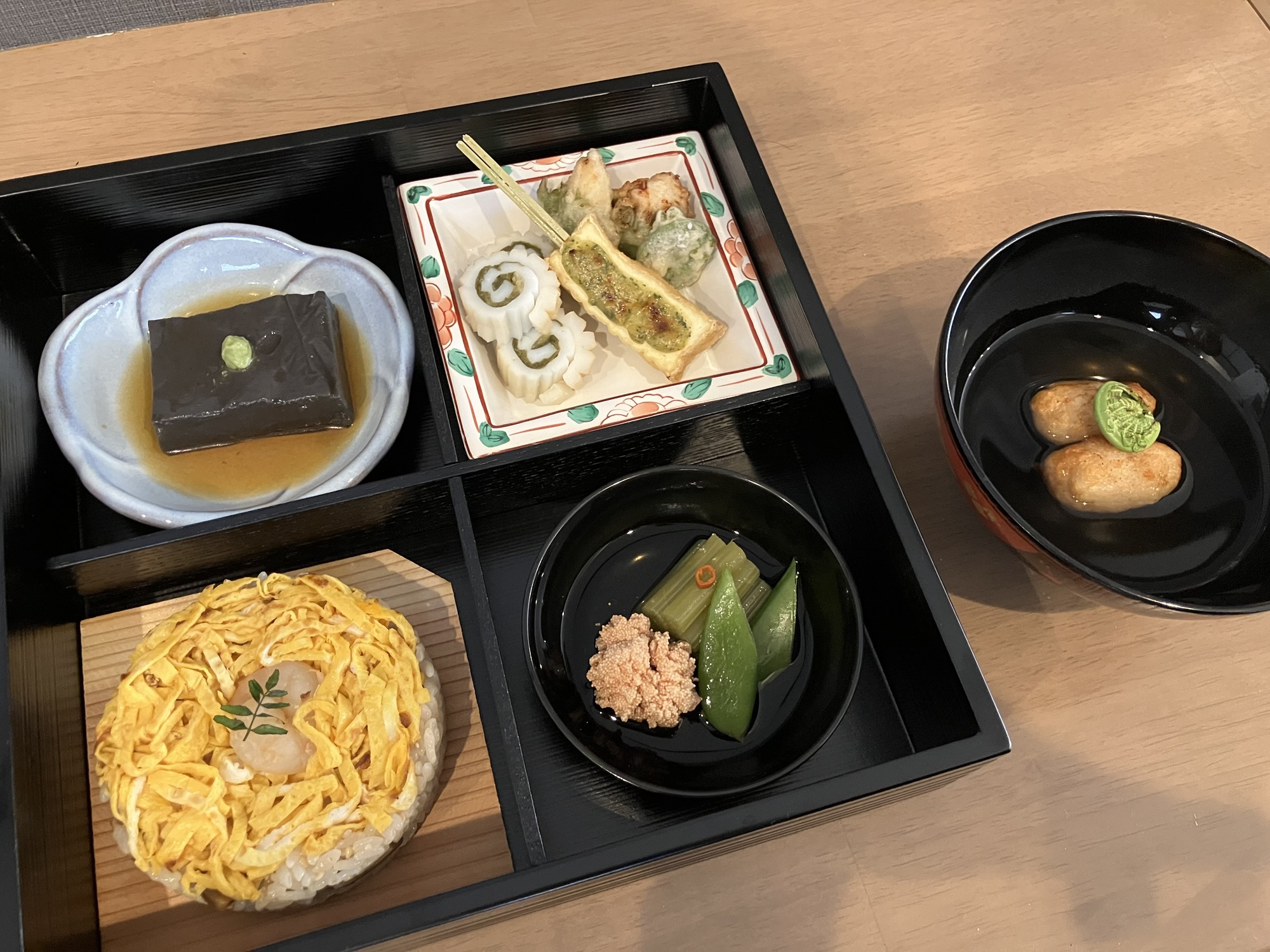
Tenshin (点心)
Tenshin is a light meal or snack served during some Japanese tea gatherings, typically consisting of a boxed lunch or other simple seasonal dishes. Unlike the full meal of a formal cha-kaiseki, it provides light refreshment while allowing the focus to remain on the tea and hospitality.
-
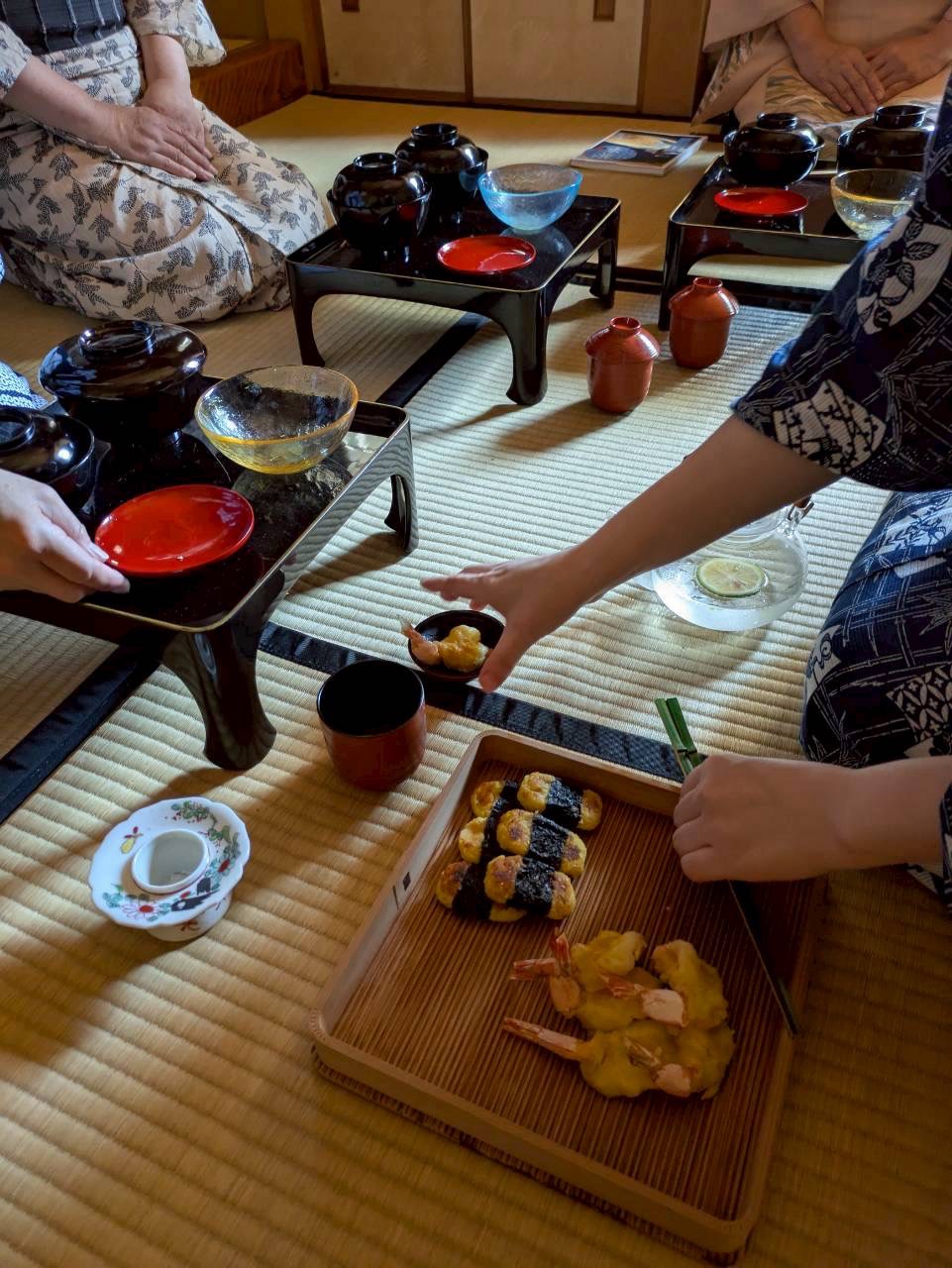
Kaiseki / Cha-kaiseki (懐石 / 茶懐石)
The word kaiseki originally comes from the Zen practice of placing a warm stone (kai, “bosom”; seki, “stone”) inside the front of one’s robe to ease hunger during periods of fasting. In the tea ceremony, this idea came to represent a simple, seasonal meal served before tea. Today, kaiseki can also refer to an elaborate…